In Beckett’s essay “Proust,” he takes the reader on a
journey to understand why folks do what they do and the reasoning behind the
actions one takes in response to a foreign or internal stimuli. What I found
most profound from this reading is Beckett’s examination of the human
experience by taking a look at dualism in order to better understand the
effect experience has on the living.


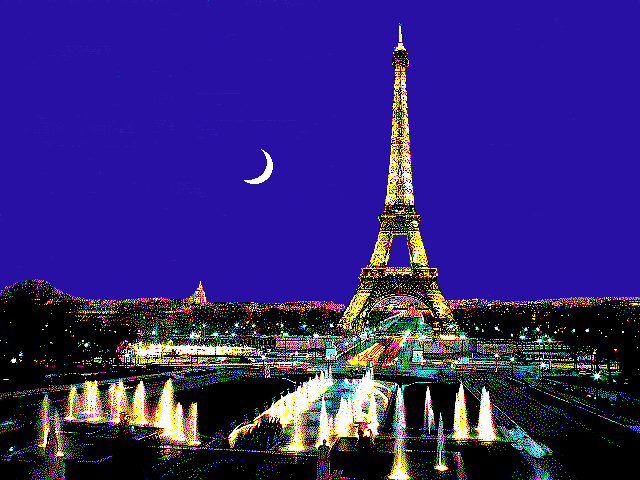
He uses a terrific example from
Proust in which Proust visits places such as Paris since his deceased
grandmother had done the same decades prior. Proust is able to accept that his grandmother is dead through these travels and mixes her memories of Paris with his to create an experience that allowed his grandmother to live on through his own observations.
Time is something Beckett does a stellar job
in exploring, but it is his dualism with things such as time/death,
past/present, symbol/substance and reality/imagination that sum up the
human experience. Despite these comparisons seeming like there is no common
ground between the two, Beckett makes an argument that one cannot exist without
the other especially in the case with the absence of time/death. He claims that time is directly connected with death by stating that without death there can be no conception of time since it never subsisted. The case for past/present is what I found the most
influential from this piece since I feel many people I know (and even myself a
good amount of the time) find themselves trapped in either the past or present
experience instead of bridging the gap between the two. Beckett makes the
argument that you can’t truly find the appreciation for either place in time
without acknowledging the two as separate entities that need one another in
order for the other to be comprehended with clarity by the user.

This train of thought from Beckett
where he tries to understand why/how we perceive the world around us is one of
the main focuses I wish to take in this course, but also keeping an open mind for
anything else expressed in Beckett’s works that capture my fancy. His importance on paradoxes and dualism is something I care to focus on as I read Beckett's works.

No comments:
Post a Comment